
With the countdown to 2025, India prospects itself for the fastest-growing electric vehicle (EV) market the world has ever seen and Tata Motors and Mahindra to be the trendsetters with a spate of flagship electric SUVs. Coming in at the number one spot is the Tata Harrier EV and Mahindra XEV 9e, two of India’s most discussed electric SUVs that pack a punch in terms of performance, tech and are set to take on India’s roads in the near future. So which of these Indian-made electric SUVs now makes a better long-term bet for buyers in India? So, let us quickly compare both for you to choose sensibly.
Price and Design
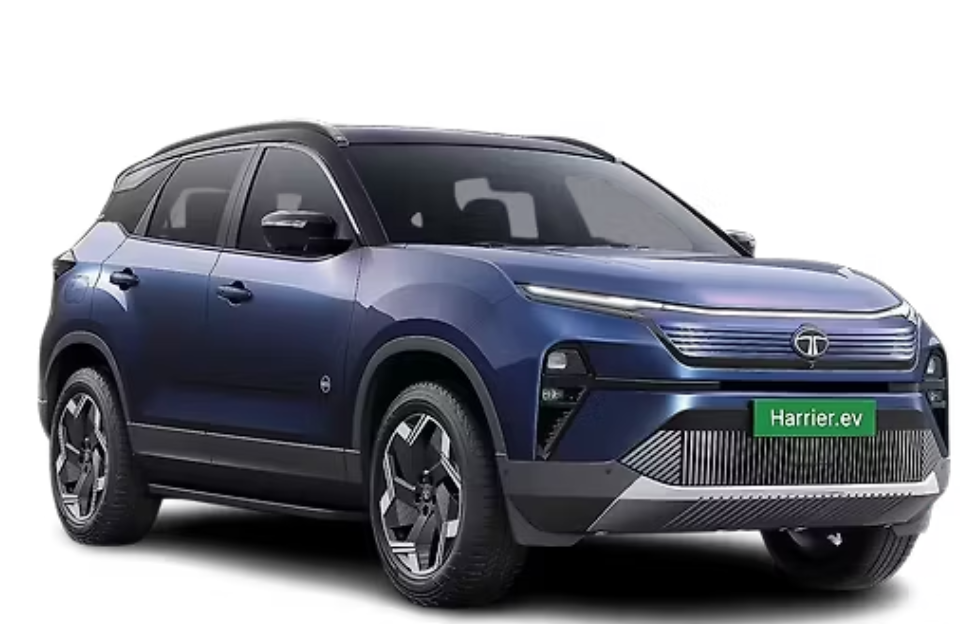
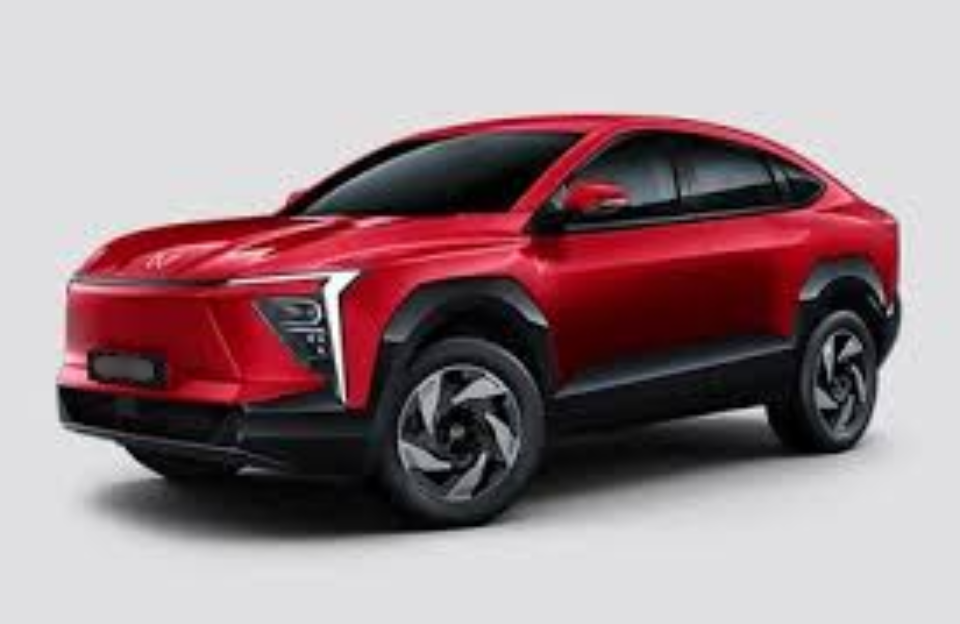
Price: Let us start with the price – Tata Harrier EV gets a competitive launch price of ₹21.49 lakh (ex-showroom), as compared to Mahindra XEV 9e, which is priced at ₹21.90 lakh. Both SUVs showcase modern and muscular SUV designs, which are perfect for congested city driving with occasional highway jaunts. The Harrier EV adopts a strong profile along with muscular styling cues, borrowing aggressively-styled elements from the Harrier ICE, and the XEV 9e gets modern and techy looks, a spacious cabin, dashboard with a bunch of displays and a futuristic dashboard — in short, full of features.
Performance and Range
Tata Harrier EV provides the full-throttle fun and mighty grip of a dual-motor AWD setup with 504 Nm, along with a 627 km claimed range on a single charge. The Mahindra XEV 9e, meanwhile, packs a rear-wheel-drive (RWD) permanent magnet synchronous motor with a peak torque of 380 Nm, delivering a real-world range of up to 656 km. Despite the XEV 9e using a lighter weight design and drag-conscious body to help improve efficiency and range, the Harrier EV has the upper hand in driving dynamics and power.
Charging and Battery Tech
With the increasing urban usage patterns among Indian EV buyers, charging convenience has become a more essential factor. The wiring harness for the Tata Harrier EV is engineered to facilitate fast charging from depots, which means that as opposed to the 10-24 hours it will take to charge with a normal AC charger, the model can be quick charged from 0-80% of its full capacity in 30 mins with a commercially available DC fast charge solution. It receives a 65 kWh lithium-ion battery from BMW. While Mahindra XEV 9e gets a comparatively bigger 79 kWh battery which supports 20-minute fast charging via a 180 kW DC charger for a quick top-up. Both feature multi-step regenerative braking to improve energy recovery.
Features and Technology
The Mahindra XEV 9e is also quite classy in cabin tech and connectivity, which includes triple digital displays (including a co-driver screen), voice commands, bi-directional charging, and even a sophisticated infotainment setup. Against that, the Tata Harrier EV fires back with good build quality, auto climate control, over the air updates and ADAS features (such as adaptive cruise control, lane keeping assist and so on), safety and comfort.
Which SUV is More Future-Proof?
Both SUVs come with a lot of futuristic features and capabilities that seem to be suitable for the future growth trajectory of EVs in India as well. That said, a bit of future proofing comes in the form of AWD dual motor, ADAS tech, the solid build and the popular Tata service network that the Tata Harrier EV offers. Aimed at the tech-savvy buyer who wants a higher range and a fast-charging solution that can get the vehicle up and running in no time, the Mahindra XEV 9e comes with a pricing advantage. We are still waiting on pricing for the larger battery, but how you go depends on whether you prioritize power and driver assistance or range and speedy recharging.
Frequenty Asked Questions (FAQs)
The Tata Harrier EV offers a range of up to 627 km on a full charge, while the Mahindra XEV 9e provides a slightly better range of 656 km, making both attractive for long drives across India’s varied terrains.
The Harrier EV supports fast charging that takes about 30 minutes to charge from 0 to 80%, whereas the Mahindra XEV 9e can fast charge in just 20 minutes using a 180 kW DC charger, offering quicker turnaround times during travel.
Tata Harrier EV includes advanced driver assistance systems (ADAS) like adaptive cruise control and lane keeping assist, along with standard six airbags, while the Mahindra XEV 9e also equips six airbags but focuses more on digital tech features rather than ADAS.
Yes, both SUVs come with good ground clearance, suspension setups suitable for Indian roads, and robust build quality. The Harrier EV’s AWD system particularly benefits rough terrains, while the XEV 9e offers a spacious, comfortable ride for urban and highway use.
By choosing between the Tata Harrier EV and Mahindra XEV 9e, Indian buyers can confidently step into the future of electric mobility with powerful, reliable, and technologically advanced EV SUVs tailored for the Indian market. Investing in either vehicle means embracing sustainable driving with cutting-edge features and long-term value.
Keywords: Tata Harrier EV India, Mahindra XEV 9e review, Indian electric SUV 2025, future proof electric cars India, electric SUV comparison India, best electric SUV India, Tata Harrier EV range, Mahindra XEV 9e price, Indian EV market 2025
Sources
- Tata Harrier EV official features and launch details: https://ev.tatamotors.com
- Tata Harrier EV price, specifications, and in-depth review: https://www.cardekho.com/tata/harrier-ev
- Latest images, reviews, and comparison for Tata Harrier EV: https://www.carwale.com/tata-cars/harrier-ev/
- Mahindra XEV 9e launch report and specifications: https://www.carandbike.com/mahindra-cars/xev-9e
- Comprehensive Mahindra XEV 9e vs Tata Harrier EV comparison: https://www.cardekho.com/compare/mahindra-xev9e-and-tata-harrier-ev.htm
- Further Tata Harrier EV vs Mahindra XEV 9e specs and reviews: https://www.carwale.com/compare-cars/mahindra-xev-9e-vs-tata-harrier-ev/