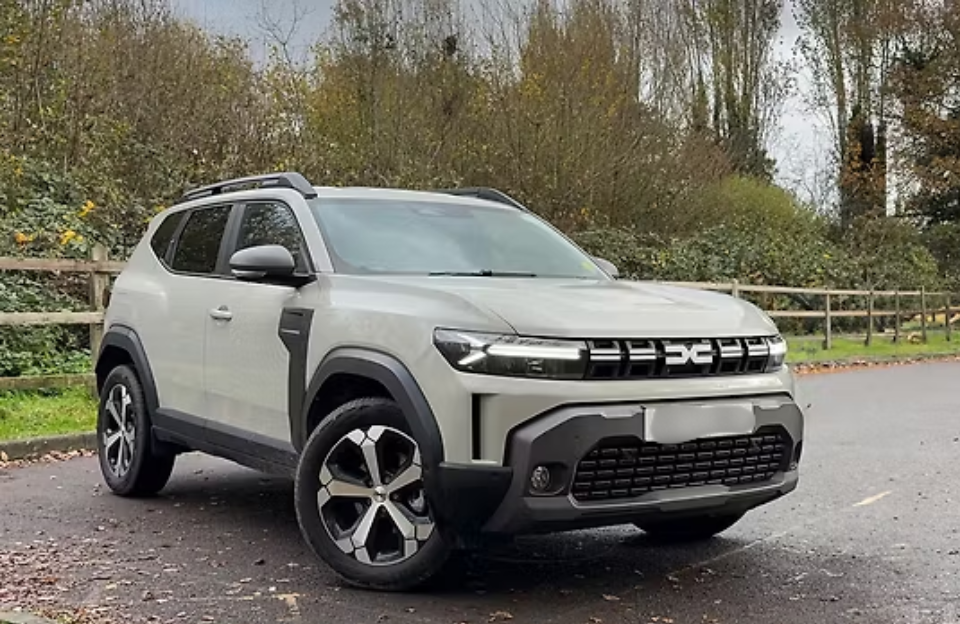
The Renault Duster is a name that still holds weight in India. When it first arrived, it practically defined the compact SUV segment, offering rugged capability, reliability, and genuine everyday usability — especially in its AWD avatar. Its only real drawback was a lack of finesse, and as the segment evolved, the Duster didn’t. Eventually, it slipped out of the market.
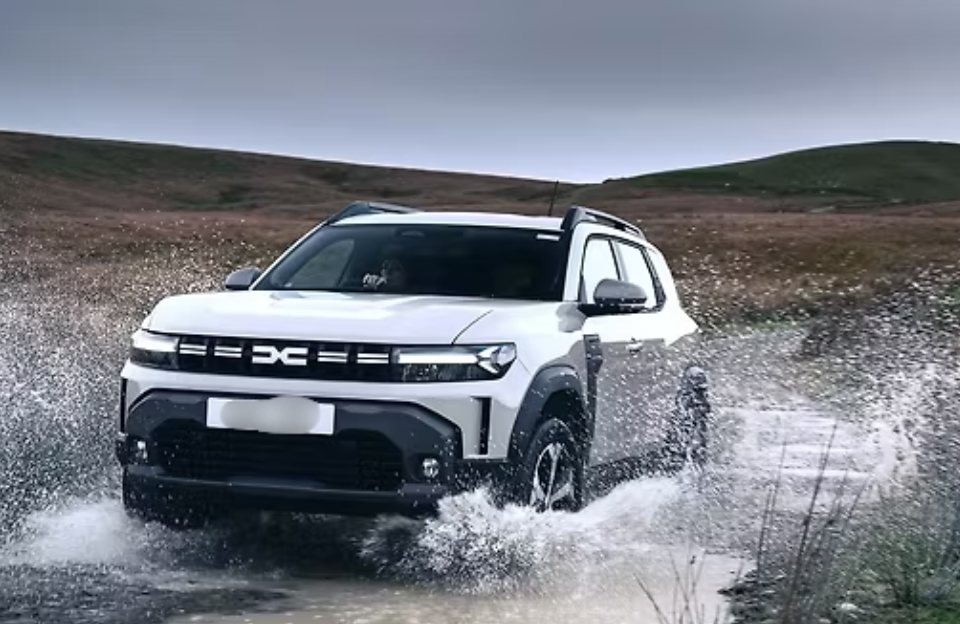
Now, it’s coming back. And this time, Renault is taking no chances. What you see here is the all-new 2025 Duster, which we drove in the UK ahead of its India launch in January 2026. Built on an entirely new platform, the transformation is immediately visible and felt.
Design and Platform
The new Duster is underpinned by Renault’s CMF-B platform, shared with international models such as the Renault Clio and Nissan Juke. While photos may make it look significantly larger, the size increase is modest — just 9mm wider and 2mm longer than the outgoing model.
The true improvement is hidden underneath. The CMF-B architecture has been engineered to reduce road noise, harshness, and vibrations — and the difference becomes obvious as soon as you start driving.
Engine Options
The model tested was the full-hybrid Duster, which pairs a 1.6-litre petrol engine (140bhp) with two electric motors — one that drives the wheels and a second that functions as a starter-generator. A compact 1.2kWh battery supports the hybrid system.
Renault will also offer a 1.2-litre mild-hybrid, producing 128bhp, which is the more likely choice for India. Given our market’s emphasis on value, efficiency, and lower upfront cost, this mild-hybrid setup appears perfectly suited for Indian buyers.
Interior and Features
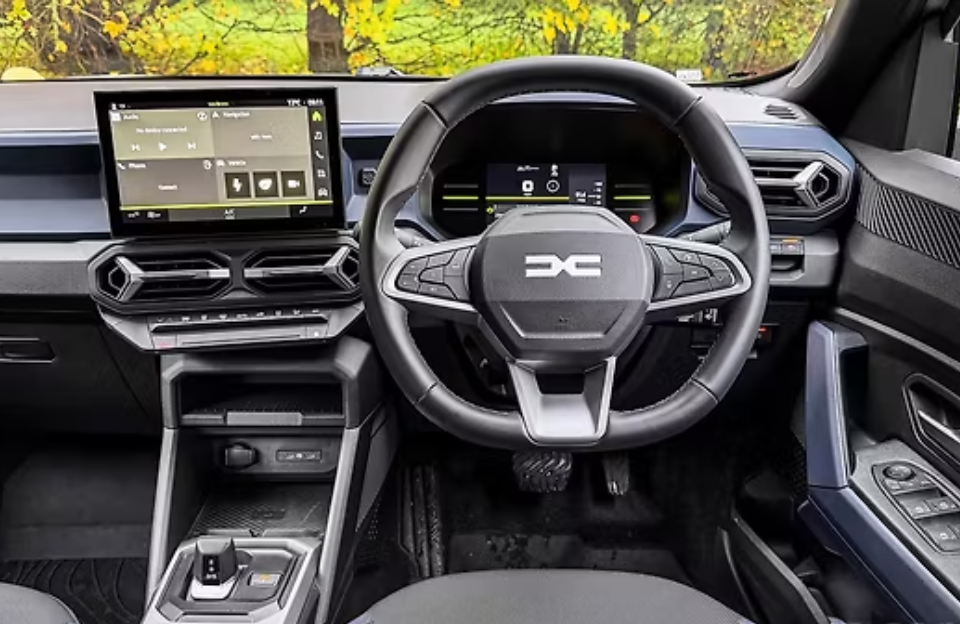
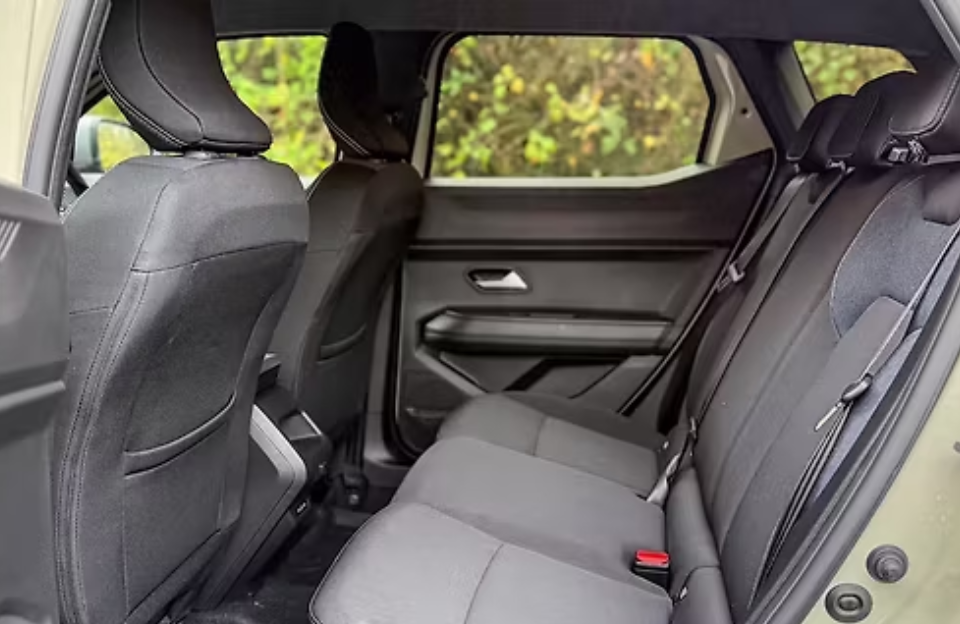
Inside, the new Duster immediately feels more spacious — both for passengers and luggage. Build quality has improved, with hard-wearing materials and a practical layout designed to last years of use.
However, compared to a Hyundai Creta or Kia Seltos, the perceived quality still falls short. The UK-spec model we tested included ADAS, a touchscreen infotainment system, and 360-degree cameras, yet some conveniences were missing:
- No sunroof
- No powered driver’s seat
The new Duster covers the essentials well and feels solidly engineered, but it doesn’t pretend to be a feature-rich premium SUV.
Driving Experience
On the road, the new Duster feels exactly like a Duster should — and that’s a major positive. The ride stays tough and planted, absorbing poor roads with ease. It still carries its go-anywhere attitude, but now feels smoother, more refined, and notably quieter.
That said, some noise and vibration do creep in compared to more refined rivals. The hybrid’s petrol engine can sound coarse during cold starts and hard acceleration. Tech features like the surround camera and audio system work fine but don’t set benchmarks.
Hybrid System Performance
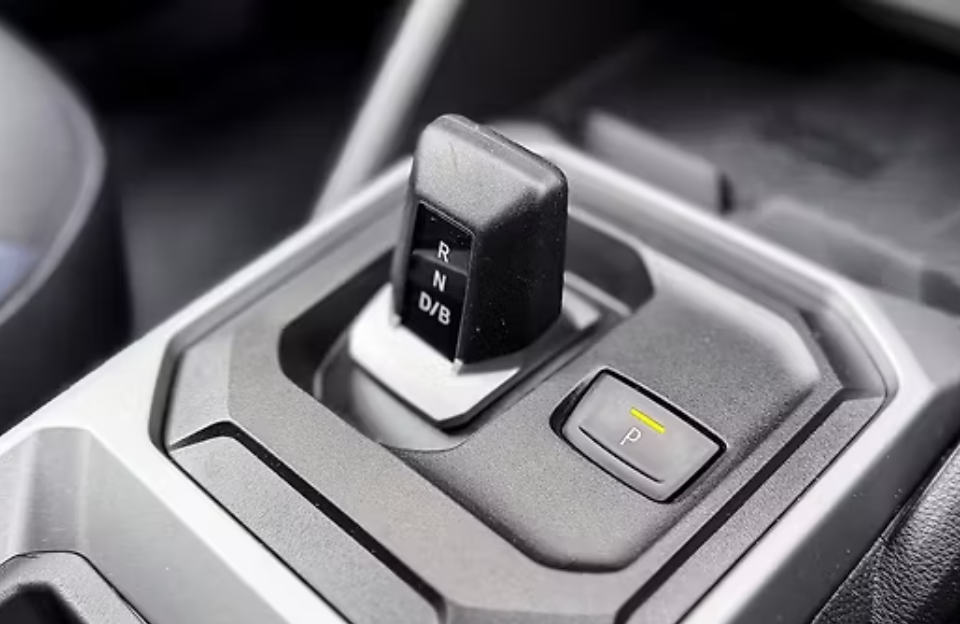
The hybrid system is easily the star of the show. The Duster always starts in pure EV mode and remains electric at low speeds. Transitions to petrol aren’t completely seamless — you can hear and feel the engine activate — but drivability improves significantly.
Throttle responses are crisp, making city driving effortless, while highway performance feels calm and adequate.
Fuel Efficiency
Despite cold weather and heavy winter motorway conditions in the UK, the Duster returned an impressive 53mpg (≈19kmpl) — remarkable for a rugged SUV of this size.
Verdict
Today’s SUV buyers expect better quality, more tech, and more convenience. Renault has worked hard to bring the Duster up to speed — without losing what made it special.
The new Duster remains:
- Rugged
- Spacious
- Comfortable
- Straightforward and honest
And most importantly, it still carries that unmistakable Duster charm — something very few modern SUVs can genuinely claim.
This SUV is critical for Renault India. If any model can bring the brand back into the mainstream SUV market with conviction, it’s the new 2025 Duster.