Hybrid cars are steadily gaining attention as more drivers look for better fuel efficiency and cleaner mobility. But what really makes them different from regular cars? Simply put, a hybrid vehicle uses two power sources — a petrol or diesel engine along with an electric motor — to deliver a smarter and more efficient drive.
The way it works is quite seamless. At low speeds or in stop-and-go traffic, the electric motor often takes over, helping save fuel and reduce emissions. When more power is needed, such as during highway driving, the engine steps in. In many cases, both the engine and motor work together to provide the best balance of performance and efficiency. This intelligent switching happens automatically, so the driver doesn’t have to do anything differently.
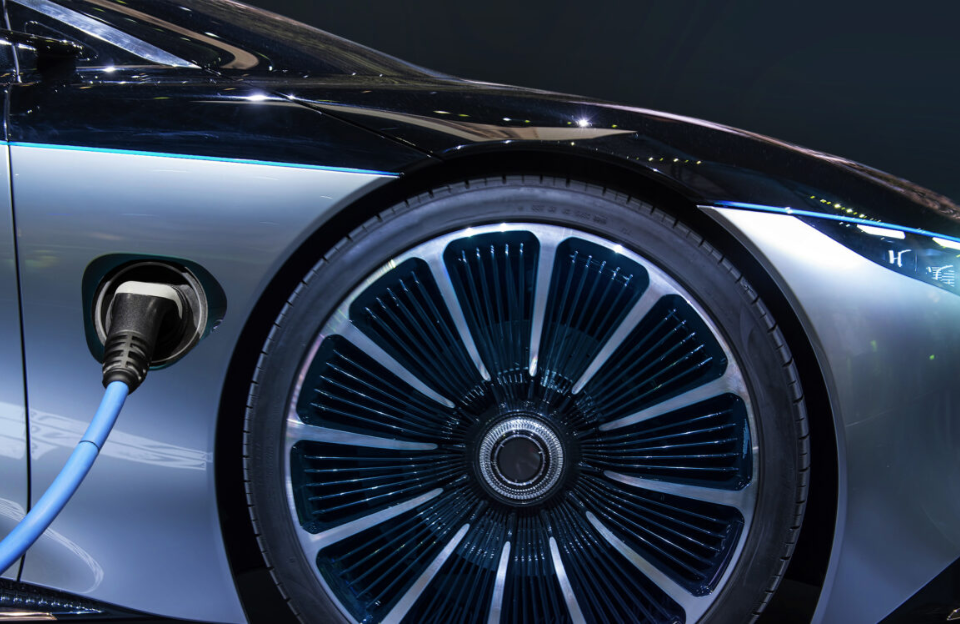
Hybrid cars come in three main types. Parallel hybrids are the most common, where both the engine and electric motor can power the wheels. Series hybrids rely mainly on the electric motor to drive the car, while the engine works as a generator to charge the battery. Plug-in hybrids, also known as PHEVs, take things a step further by allowing external charging and offering longer electric-only driving range.
Another key highlight is regenerative braking. Instead of wasting energy during braking, hybrid cars capture it and use it to recharge the battery. This not only improves efficiency but also reduces the need for frequent charging in most hybrid models.
As fuel prices continue to rise and environmental awareness grows, hybrid cars offer a practical middle path. They combine the convenience of traditional engines with the efficiency of electric power, making them an ideal choice for today’s evolving automotive landscape.