India’s upcoming CAFE-3 (Corporate Average Fuel Efficiency) norms will tighten CO₂ limits for all M1-category passenger vehicles. However, a key draft clause offers much-needed relief to small, lightweight cars. Models under 4 metres in length, powered by engines up to 1200cc and weighing below 909kg, can receive CO₂ credits of up to 3g/km per vehicle (capped at 9g/km per manufacturer).
This exemption will make fleet compliance easier—especially for Maruti Suzuki, which dominates the small-car space.
1. Maruti Suzuki S-Presso
Length: 3.56m | Engine: 998cc | Kerb: 736–775kg
Now one of India’s most affordable cars post-GST revision, the S-Presso neatly fits the exemption criteria. Its compact size and 1.0L petrol engine help lower Maruti’s fleet emissions.
2. Maruti Suzuki Alto K10
Length: 3.53m | Engine: 998cc | Kerb: 730–754kg
The lightest model in the group, the Alto K10 offers excellent efficiency and gives Maruti valuable CO₂ credits under the proposed norms.
3. Renault Kwid
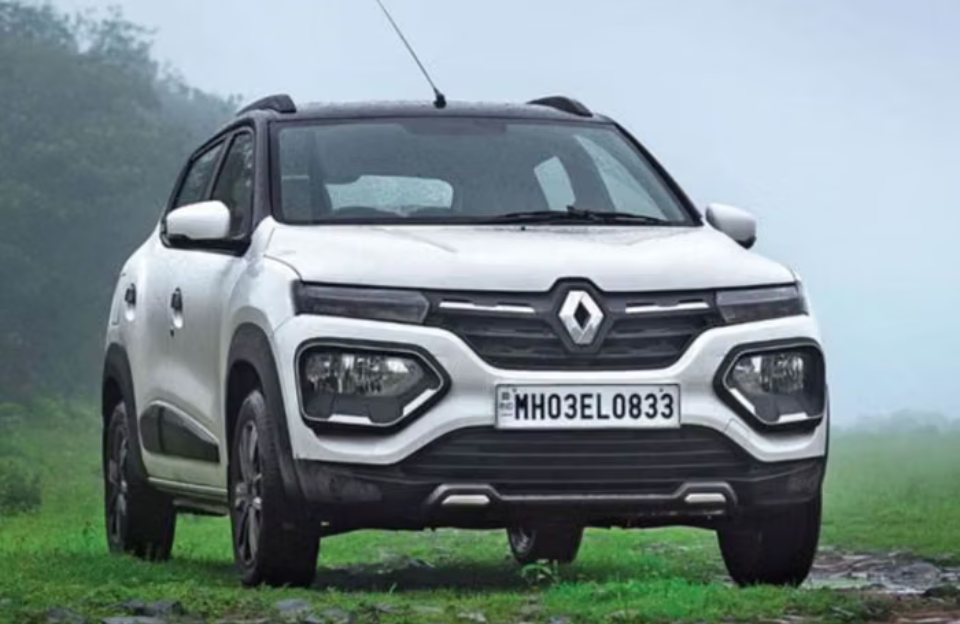
Length: 3.73m | Engine: 999cc | Kerb: 732–782kg
The only non-Maruti car eligible, the Kwid benefits from its 1.0L engine and low kerb weight. It helps Renault meet CAFE compliance more easily.
4. Maruti Suzuki Celerio
Length: 3.69m | Engine: 998cc | Kerb: 810–835kg
One of India’s most fuel-efficient cars, the Celerio meets all draft criteria and supports Maruti’s overall emission reduction strategy.
5. Maruti Suzuki Wagon R
Length: 3.65m | Engine: 998cc / 1197cc | Kerb: 825–860kg
A high-volume seller, the Wagon R plays a major role in Maruti’s CAFE balance. Both its petrol engines fall under the 1200cc cap.
6. Maruti Suzuki Ignis
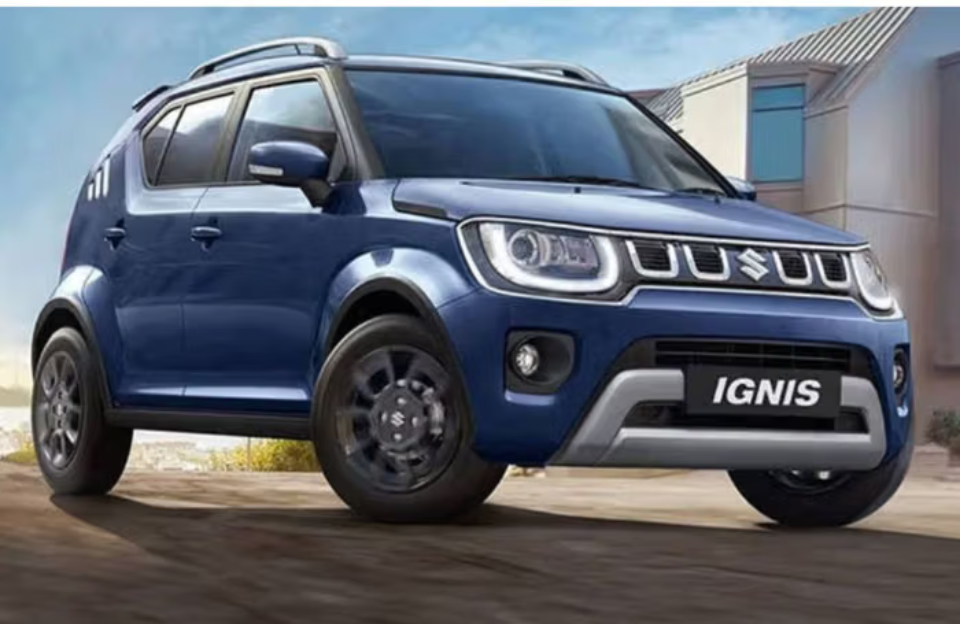
Length: 3.70m | Engine: 1197cc | Kerb: 840–865kg
The only Nexa model to qualify. With a lightweight platform and efficient 1.2L engine, the Ignis fits perfectly within the proposed CAFE-3 relaxation zone.