The Japanese Way
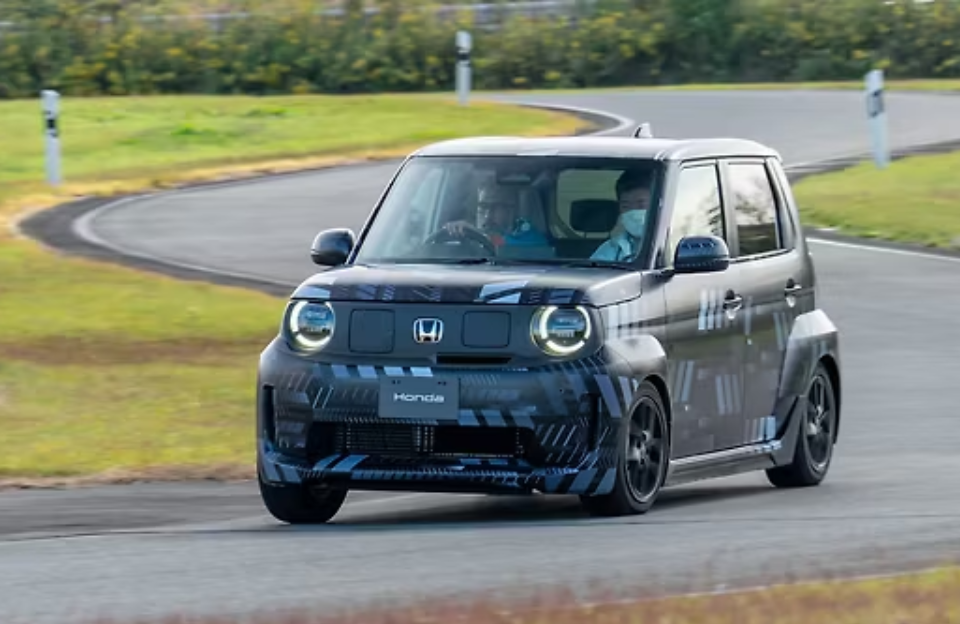
Honda has once again proven that performance isn’t just about size. The new Honda Super One, a compact electric kei car, embodies the Japanese philosophy of making the most out of less — and it does so brilliantly.
Kei cars, by definition, are small: under 3.4 metres long, 1.5 metres wide, and 2 metres tall. Traditionally, they’ve been known for efficiency and practicality, powered by modest 660cc engines making around 65bhp. Exciting? Not quite — until now. Honda’s Super One changes that narrative completely.
The Package
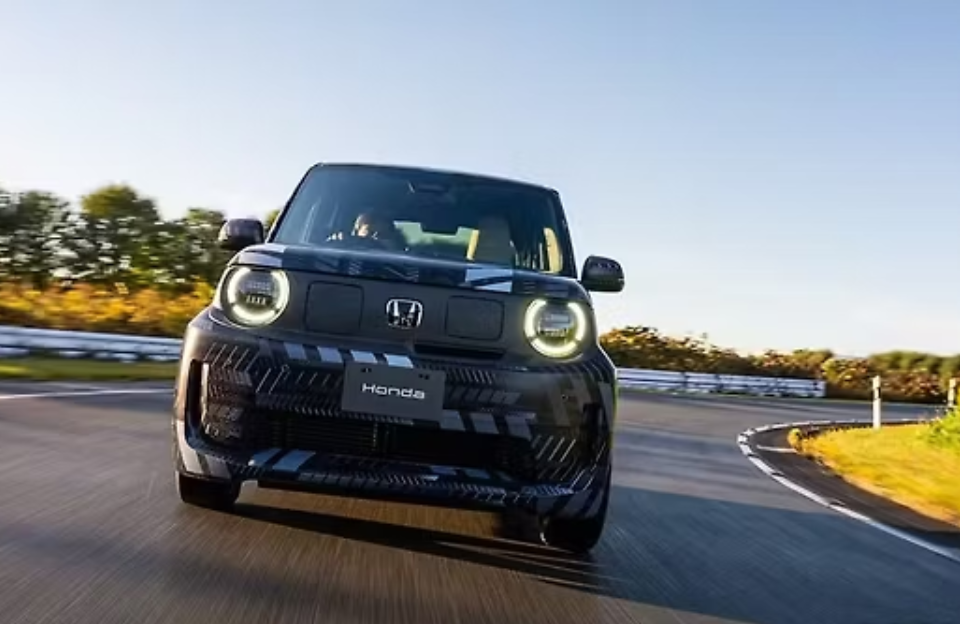
Based on the N One e, the Super One shares its wheelbase, front-wheel-drive setup, and much of its body structure. But beyond that, Honda has re-engineered nearly everything to deliver driving excitement.
The car gets wider tyres, a broader track, and a stiffer chassis. Engineers have reworked the suspension geometry — including the steering knuckle and lower arm — for sharper handling and better braking stability. The steering rack is quicker, and the suspension is beefed up for sportier dynamics.
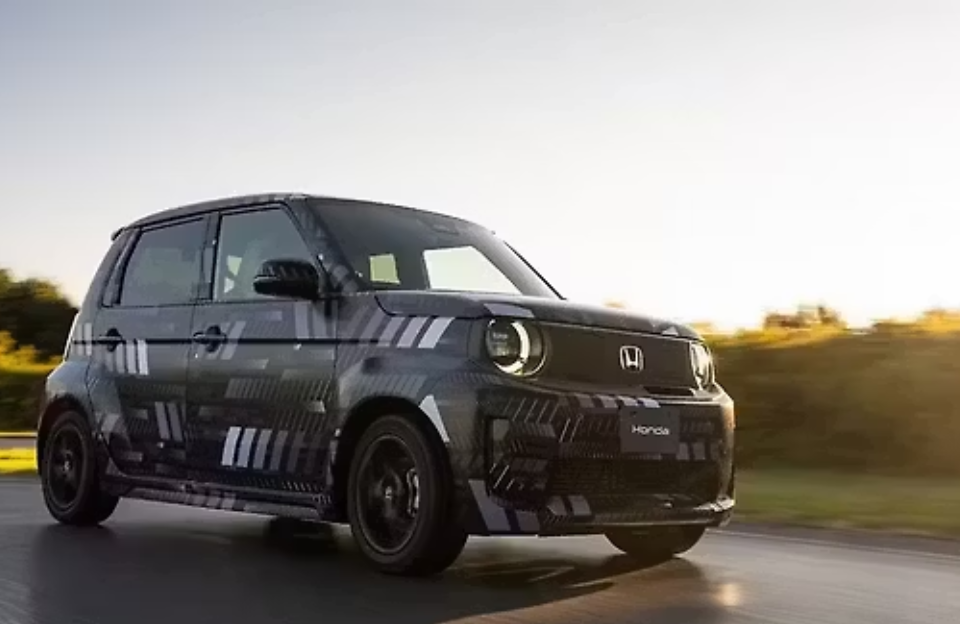
While Honda hasn’t revealed the Super One’s motor or battery specs, it’s safe to assume it builds on the N One e’s 29.6kWh setup (63bhp, 160Nm, 295km range). The chassis doesn’t leave much room for a bigger battery, but the motor clearly packs more punch. Like the N One e, the Super One uses a lightweight, low-mounted battery to keep handling tight and balanced.
The Drive
Our first experience came at Honda’s Tochigi R&D test track — a compact, twisty circuit with everything from fast sweepers to tight hairpins.
And from the first corner, the Super One impressed.
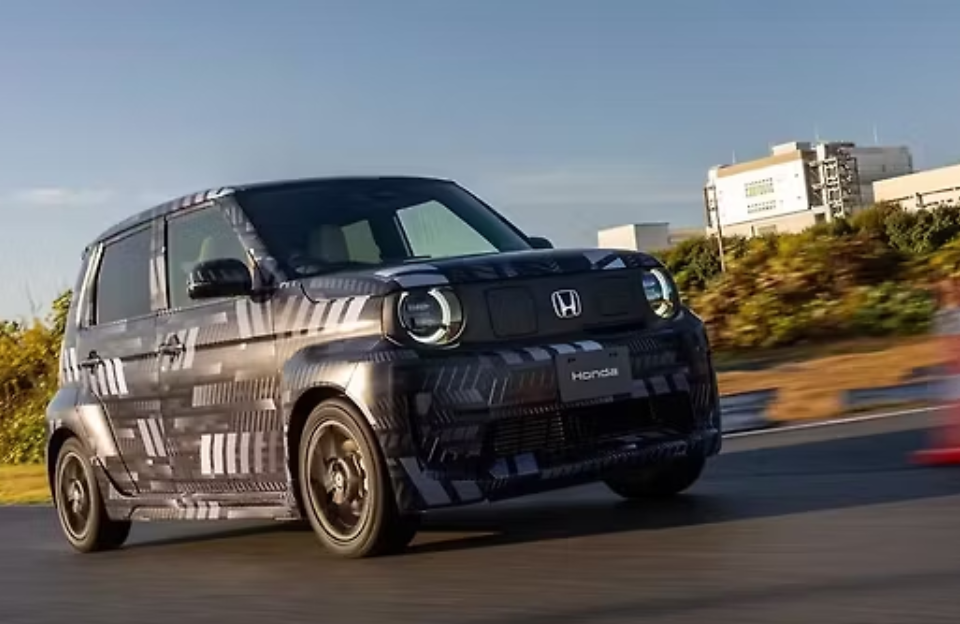
Acceleration is brisk and lively, as expected from an EV, but the real surprise is how long it keeps pulling. The car stays composed even at higher speeds, inspiring confidence through corners. Steering feedback is crisp, and body control is outstanding — it feels more like a stretched go-kart than a city car.
The chassis communicates beautifully through the bends, and the brakes deliver excellent bite and consistency. You can brake late, turn in sharply, and the car just obeys — no understeer, no drama, just clean, precise motion.
Even through tricky off-camber corners, the throttle response feels natural, allowing smooth modulation of wheelspin. Unlike many EVs that feel detached, the Super One connects you to the road with an almost ICE-like organic feel.
Boost Mode: The Fun Button
Press the Boost button, and the Super One transforms.
A synthetic four-cylinder soundtrack fills the cabin, revving up to 6,000rpm and simulating gear shifts — complete with throttle blips and shift shocks. Steering-mounted paddles let you “shift” manually, adding another layer of engagement.
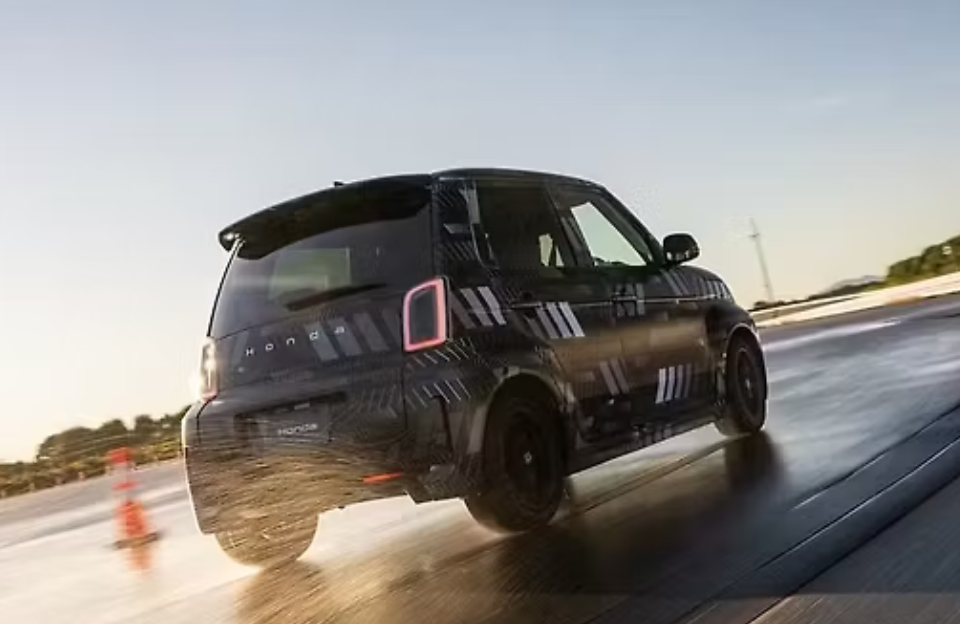
Yes, it’s artificial — but it’s so well executed that it feels genuinely exciting. For enthusiasts missing the emotional connection of combustion engines, this digital illusion is a delight.
India Launch: A Dream or a Distant Possibility?
As thrilling as it is, the Honda Super One might remain out of reach for most Indian buyers. Its small size and imported status would push prices beyond ₹20 lakh, making it a tough sell in a market that equates bigger with better value.
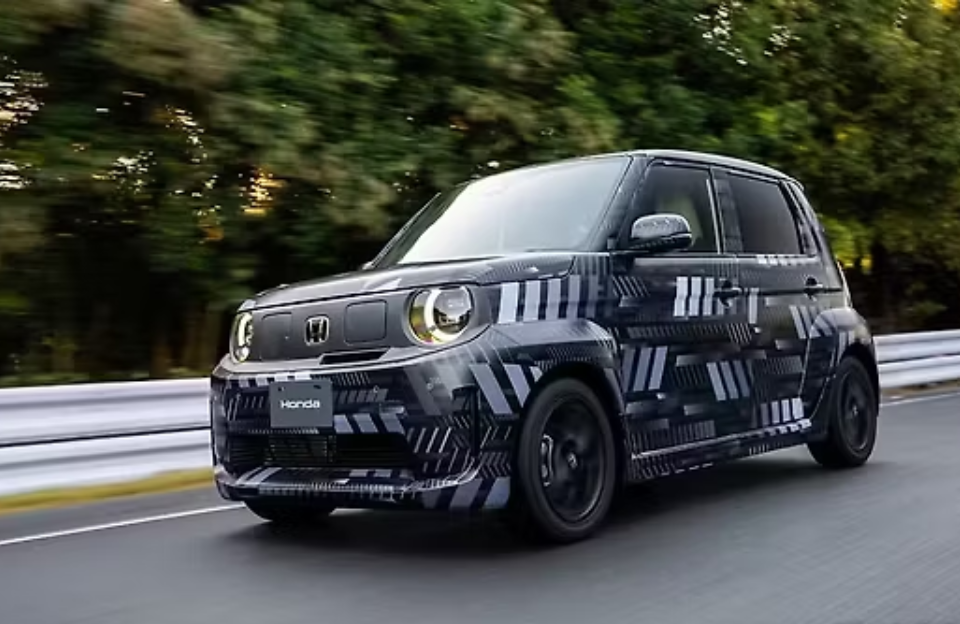
However, as a halo product, it could work wonders for Honda’s image. The Super One represents Japanese car culture — compact, efficient, and full of character. It’s the kind of car that could reignite enthusiasm for the Honda brand in India, symbolising fun, innovation, and a return to its enthusiast roots.
Verdict
The Honda Super One may be tiny, but it’s a giant leap in spirit. It’s playful, precise, and packed with personality — proof that electric cars can be just as engaging as their petrol-powered predecessors.
Small? Absolutely.
Expensive? Probably.
But irresistibly charming? Without a doubt.
Check out: Honda Super One Review: Japan’s Tiny Electric Car That Delivers Big Performance