In a major step toward cleaner mobility, the Supreme Court of India has suggested a phased ban on petrol and diesel luxury cars, aiming to push faster adoption of electric vehicles (EVs) without affecting everyday car buyers. The proposal is still under consultation, but it signals a strong policy inclination toward reducing emissions in India’s biggest cities.
Why Luxury Cars Are the First Target
During a hearing on pollution control measures, Justice Surya Kant observed that most affluent buyers continue choosing combustion-powered luxury cars, despite the availability of premium EVs. Since the ban would impact only high-end purchases, it would not burden the average consumer.
Electric luxury SUVs and sedans now match — and in some cases outperform — their ICE equivalents in refinement and comfort. Yet, petrol and diesel models still dominate sales in the segment.
Who Would Be Affected?
If the proposal is approved, it would primarily impact:
- Buyers of luxury vehicles priced ₹50 lakh–₹1 crore+
- Premium brands such as Mercedes-Benz, BMW, Audi, Porsche and Land Rover
- Companies and fleet operators using diesel luxury SUVs and sedans
Most luxury brands already sell EVs, but ICE models still make up a majority of their sales.
When Could the Ban Begin?
The Supreme Court has not announced a timeline. Instead, it has directed central ministries to:
- Re-evaluate India’s EV policies
- Review implementation of the National Electric Mobility Mission Plan
- Submit a detailed report by December 2025
This means any ban would be gradual, aligned with market readiness and industry capacity.
Luxury EVs Are Growing Faster Than Mass-Market EVs
The luxury EV segment is expanding rapidly:
- EVs make up 12% of luxury car sales
- Mass-market EV share is only 2–3%
- Mercedes-Benz and BMW have reported record EV growth
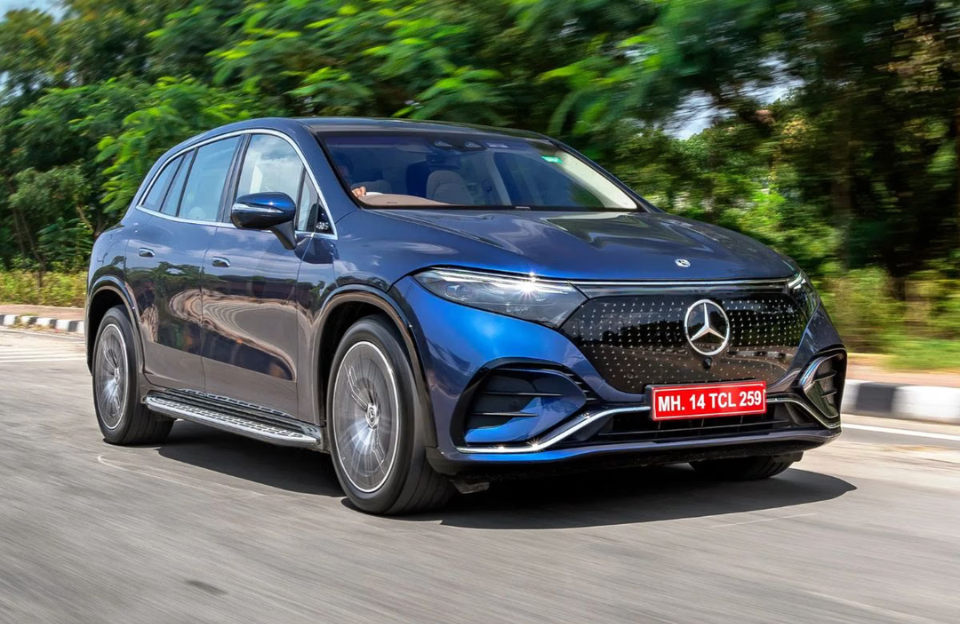
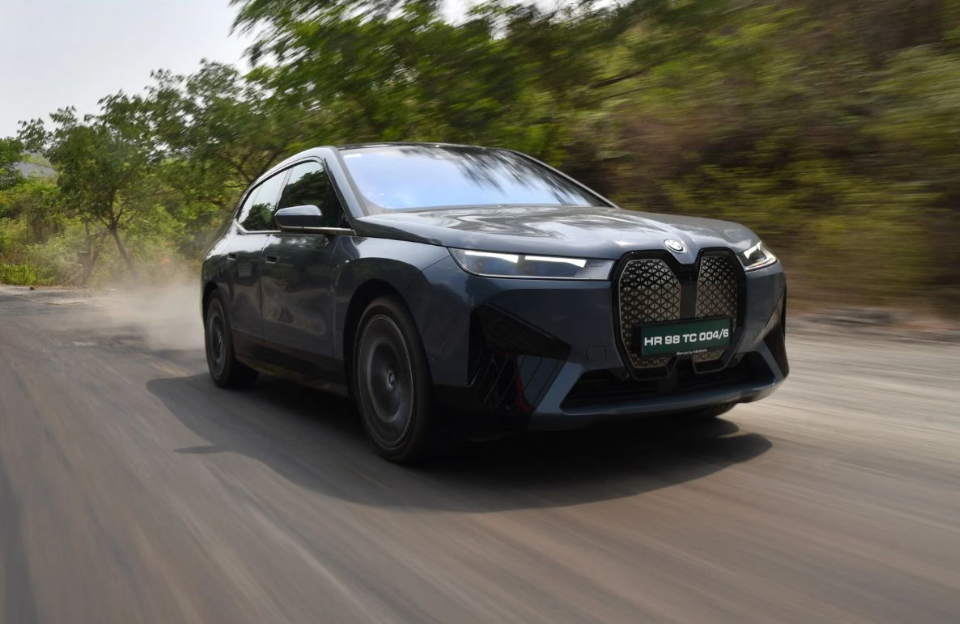
- Popular models include Mercedes EQS SUV, BMW iX, Audi e-tron GT and Porsche Taycan
Given this momentum, the luxury segment is considered the ideal starting point for an ICE phase-out.
Impact on India’s Automotive Future
If implemented, the phased ban could:
- Dramatically accelerate premium EV adoption
- Push luxury brands to expand their electric line-ups
- Help reduce pollution in urban hotspots
- Influence broader EV adoption in mid-size and mass-market segments
While still under evaluation, the Supreme Court’s direction marks a potentially transformative moment for India’s future mobility roadmap.
checkout:Supreme Court Suggests Gradual Ban on Petrol & Diesel Luxury Cars to Boost EV Adoption