
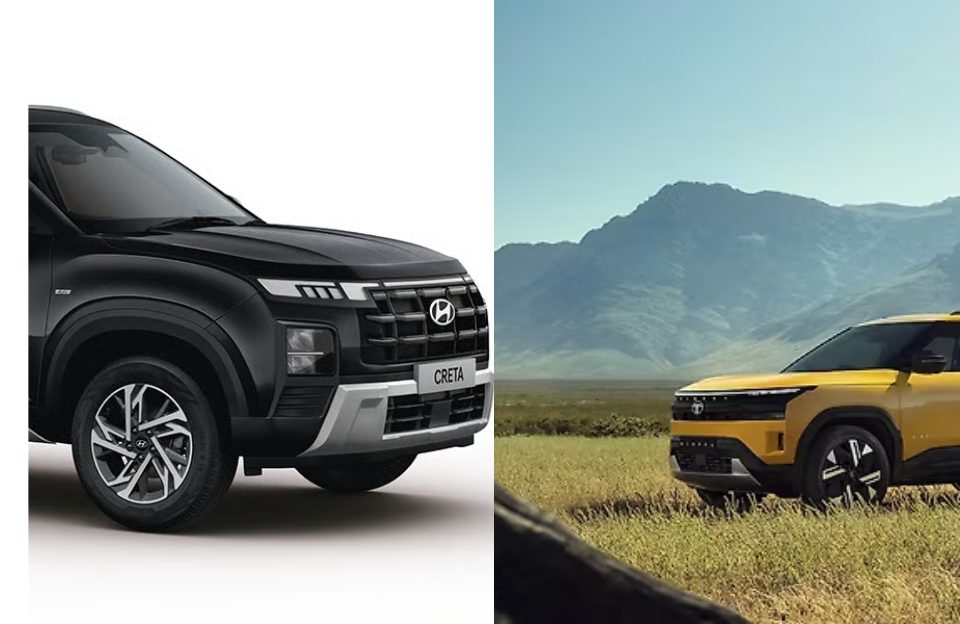
If you’re planning to buy a mid-size SUV in India in 2025, there’s a high chance your shortlist already has these two names: Tata Sierra and Hyundai Creta. The Creta has been the segment king for years, while the all-new Tata Sierra brings back an iconic nameplate with a bold design, premium cabin and full ADAS package. For Indian car buyers comparing “Tata Sierra vs Creta”, the big question is simple: which SUV actually gives better value, features and peace of mind for Indian roads and Indian usage?
This detailed, plagiarism-free guide breaks down their design, space, engines, mileage, features, safety, ADAS and pricing in a clean, data-backed way. It is written for Indian conditions only – no global specs, no foreign-market confusion. Use this as your complete Tata Sierra vs Hyundai Creta 2025 comparison before you book that test drive or make the final payment.
Quick Comparison Snapshot: Tata Sierra vs Hyundai Creta
Design and Road Presence: Bold vs Balanced
Tata has clearly designed the new Sierra to stand out on Indian roads. It has a boxy, upright silhouette, a long wheelbase, a tall glasshouse and a rear quarter glass area inspired by the original 90s Sierra. The front design uses full-width LED DRLs, projector headlamps and a strong, flat bonnet that gives a very SUV-ish, old-school-meets-new-age vibe. Larger wheels (up to 19-inch alloys) and thick cladding further enhance its “big SUV” presence.
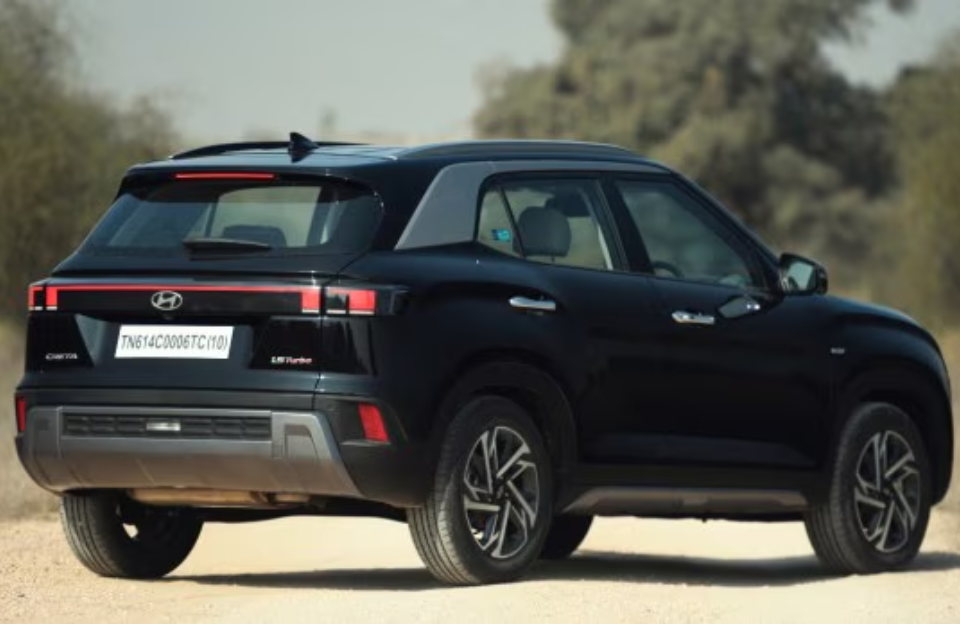
Hyundai Creta, on the other hand, wears a more global, polished look. It has a parametric grille, sharp LED elements and a more rounded body that feels sophisticated and urban. Creta’s design has evolved over time to appeal to a very wide range of Indian buyers – from young professionals to families. Where Sierra shouts for attention, Creta looks premium but familiar, which some buyers actually prefer.
- If you want the most attention-grabbing mid-size SUV in your apartment parking and on Indian highways, the Tata Sierra wins for pure presence.
- If you’d rather blend in with a clean, modern, easy-to-like design that everyone in the family will approve of, the Hyundai Creta is a safer choice.
Dimensions and Space: Which SUV Feels Bigger?
From the numbers and early reviews, the Tata Sierra is larger overall and offers more cabin room and a bigger boot than the Creta. Sierra has a longer wheelbase, wider body and higher roofline, which translates into better legroom and headroom, especially in the rear seats. It also stands taller with more ground clearance, making it more comfortable over big speed breakers and broken rural roads in India.
Hyundai Creta remains very practical though. It offers one of the best back seats in the segment with a comfortable recline angle and good thigh support, and its boot capacity is more than enough for most Indian families’ luggage needs. The difference is that Creta feels like a well-packaged, tidy SUV; Sierra feels like a size up in presence and interior volume.
If you care deeply about that “big car feel” and maximum boot space for road trips, the Sierra is more satisfying. If you want a compact but spacious SUV that is easier to park and drive in tight city lanes, the Creta is still very smart.
Engines and Performance: Tata Sierra vs Creta (India)
Both SUVs are well-armed in the engine department, and both are tailored for Indian petrol and diesel buyers.
Tata Sierra engines (as per current published details):
- 1.5-litre NA petrol: about 106 hp and 145 Nm, suitable for relaxed city driving and occasional highway trips.
- 1.5-litre Hyperion turbo-petrol: around 160 hp and 260 Nm, matched with 6-speed MT and 7-speed DCT; this is the performance-focused engine.
- 1.5-litre turbo-diesel: about 118 hp and 280 Nm, very useful for heavy highway users; automatic option available.
Hyundai Creta engines (current India-spec):
- 1.5-litre NA petrol: 115 PS and 144 Nm, with 6MT or CVT (IVT), proven for city-dominant mixed usage.
- 1.5-litre turbo-petrol: 160 PS and 253 Nm, with 7-speed DCT; quick and fun for enthusiasts.
- 1.5-litre diesel: 116 PS and 250 Nm, with 6MT or 6AT; ideal for long-distance and high-mileage users.
On paper, both turbo-petrols are very closely matched in power. Sierra’s torque figure is very slightly higher, while Creta’s engine is already well-known for punchy performance in India. In diesel form, Sierra’s higher torque (around 280 Nm) gives it a strong pulling feel, while Creta’s 250 Nm diesel is a refined and efficient workhorse.
- If you want a familiar, proven engine and gearbox package with a large existing owner base, Creta’s motors inspire a lot of confidence.
- If you like the idea of a new Tata turbo-petrol/diesel tuned for torque and paired with fresh tech, Sierra will appeal to you.
Mileage and Fuel Efficiency (Real-World Expectations)
Official ARAI figures will differ by variant and gearbox, but real-world trends for similar Tata and Hyundai engines give us a good idea of what to expect.
Tata Sierra (expected real-world ballpark, based on similar Tata setups and early reports):
- 1.5 NA petrol MT: around 12–14 kmpl in mixed city-highway use.
- 1.5 turbo-petrol AT/DCT: roughly 10–13 kmpl depending on how hard you drive.
- 1.5 diesel MT/AT: potentially 16–19 kmpl on highway-focused runs, slightly lower in dense city traffic.
Hyundai Creta (based on current India owner experiences):
- 1.5 NA petrol MT/CVT: around 12–15 kmpl real-world, depending on traffic and city vs highway usage.
- 1.5 turbo-petrol DCT: often 10–13 kmpl in Indian conditions when driven briskly.
- 1.5 diesel MT/AT: 17–20 kmpl on highways is very common, with 13–16 kmpl in city use.
If you are a high-mileage user, both diesel options are your best bet. For typical urban users who do a mix of office commutes, weekend drives and occasional highway trips, the NA petrols of both SUVs will be more than adequate. The difference in mileage between Sierra and Creta, spec-to-spec, will mostly come down to your driving style and traffic conditions rather than just the brand.
Interior, Infotainment and Features: Tech War
This is where things get very interesting in the Tata Sierra vs Creta comparison.
Tata Sierra key interior features (higher trims):
- Triple-screen layout: large digital instrument cluster, central touchscreen and passenger-side screen.
- Up to 12-speaker JBL sound system with Dolby Atmos on top variants.
- Voice-controlled panoramic sunroof, dual-zone climate control and multiple ambient lighting colours.
- Ventilated front seats, electrically adjustable driver’s seat and a very lounge-like cabin experience.
- Massive boot and rear-seat comfort tuned for long drives with Indian families.
Hyundai Creta key interior features (higher trims):
- Twin 10.25-inch screens: digital instrument cluster + touchscreen infotainment.
- Bose 8-speaker sound system with decent audio tuning.
- Panoramic sunroof, ventilated front seats, ambient lighting, wireless charger and connected car tech.
- Practical cabin layout with lots of storage areas, bottle holders and comfortable seating.
- More variant spread, so you can pick exactly how much feature content you want without jumping to the top.
Simply put, Sierra feels more “tech flagship”, while Creta feels “tech practical”. Sierra’s triple screens and high-end audio system will impress tech-savvy buyers and youth. Creta’s twin-screen setup, while slightly less dramatic, is proven to be user-friendly and reliable.
Safety and ADAS: Who Protects You Better?
Both SUVs offer 6 airbags, ESC, hill-start assist, ABS with EBD and ISOFIX in key variants. But when it comes to ADAS (Advanced Driver Assistance Systems), there are some differences.
Tata Sierra ADAS (Level 2+ as per feature lists):
- Adaptive cruise control with stop & go.
- Forward collision warning and automatic emergency braking (AEB).
- Lane departure warning, lane-keep assist and lane-centre assist.
- Blind-spot detection, rear cross-traffic alert and rear collision warning.
- 360° camera, front parking sensors and a host of stability control sub-functions.
Hyundai Creta ADAS (updated models):
- Forward collision-avoidance assist.
- Lane keep assist and lane follow assist.
- Blind-spot collision avoidance assist.
- Rear cross-traffic collision avoidance assist.
- 360° camera and blind-view monitor in select trims.
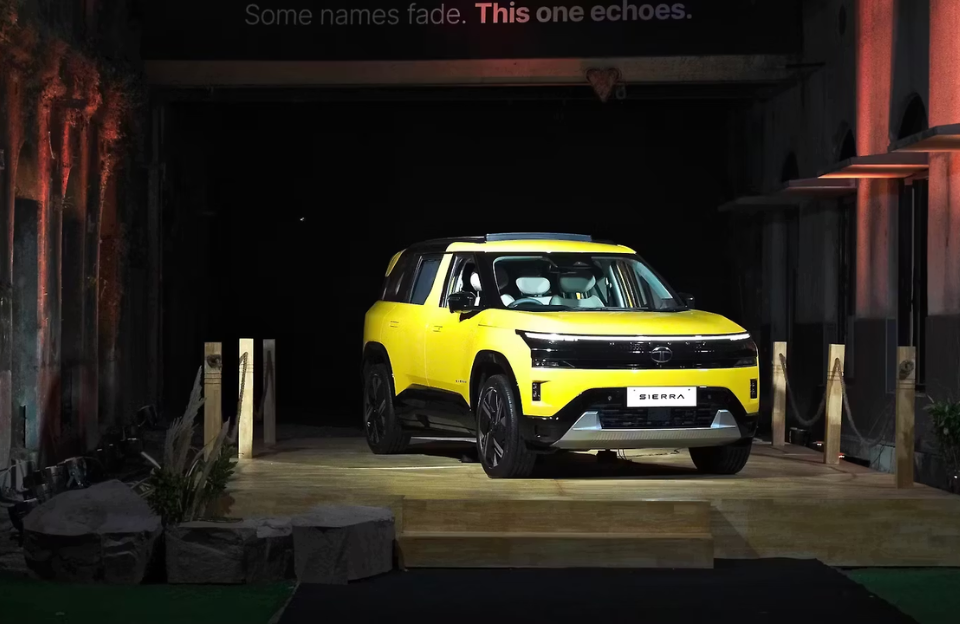
In terms of breadth of ADAS functions, Sierra tries to go a little further with features like adaptive cruise with full stop & go and a more granular stability package. Creta’s ADAS is still very strong and will cover most typical highway and city scenarios like lane keeping, collision avoidance and blind-spot assistance.
Tata has also built a solid reputation in crash tests with Nexon and Harrier scoring strongly, and Sierra is expected to be designed with Bharat NCAP in mind. Hyundai has improved structures in new-gen cars, and Creta is positioned as a safe global product too.
Price Positioning in India (Quick View)
Even though your earlier ask focused on features, pricing is often the final deciding factor, so here is a quick summary without going into dealer-level discounts.
Creta undercuts Sierra at the base and at the top end but sits close in the middle where most buyers shop. Sierra justifies its higher top-end price with extra size, features and a more loaded ADAS and infotainment package.
Summary Tables: Key Spec and Feature Differences
Engine and Powertrain Comparison
| Spec | Tata Sierra 1.5 Turbo-Petrol | Hyundai Creta 1.5 Turbo-Petrol |
|---|---|---|
| Displacement | 1.5 litres | 1.5 litres |
| Power | ~160 hp | 160 PS |
| Torque | ~260 Nm | 253 Nm |
| Gearbox | 6MT / 7DCT | 7DCT |
| Drive Type | FWD | FWD |
Feature Highlights (Top Variants)
Final Verdict: Who Should Buy Tata Sierra and Who Should Buy Creta?
Choose Tata Sierra if:
- You love bold, retro-modern design and want an SUV that looks bigger and more distinctive than anything else in your society parking.
- You value a cutting-edge cabin: triple screens, big sound system, dual-zone AC, plus a massive boot for family road trips across India.
- You want the latest, widest ADAS and safety tech and are okay paying extra for it in the top variants.
- You are happy to back a new-generation Tata product that focuses on safety, design and tech rather than just legacy.
Choose Hyundai Creta if:
- You want a proven, best-selling mid-size SUV in India with a track record of reliability and strong resale.
- You prefer a more neutral, premium design that everyone in the family can agree on and which is easy to live with daily.
- You want multiple tried-and-tested engine options (especially diesel) at slightly lower prices than the most loaded Sierra trims.
- You value Hyundai’s large service network and the comfort of a widely used, well-understood model.
In short, Tata Sierra is the emotional, tech-forward choice; Hyundai Creta is the rational, proven all-rounder. The best way to decide is to shortlist the right engine-gearbox combo for your usage, then do back-to-back test drives on the same Indian roads you use daily.
FAQs: Tata Sierra vs Hyundai Creta (India) – Minimum 4 Sentences Each
- Which SUV is better for a typical Indian family: Tata Sierra or Hyundai Creta?
For a typical Indian family that wants comfort, reliability and easy ownership, the Hyundai Creta still feels like the safer and more predictable choice. It has already proved itself across Indian cities, highways and even smaller towns, and most mechanics and service centres are very familiar with it. The Tata Sierra, however, gives you more space, a bigger boot and a more premium, future-ready cabin, which many families will appreciate for long trips. If your family wants something more special and you value space and safety tech, the Sierra is very tempting; if they want a tried-and-tested formula, Creta wins. - Is the Tata Sierra worth the extra price over the Hyundai Creta top model?
The Tata Sierra top variants do cost noticeably more than the top Creta trims, but you also get more SUV for your money – in terms of size, boot space, screen count, audio system and the depth of ADAS features. For buyers who want the absolute latest tech, a unique design and maximum safety kit, that extra price can feel justified. On the other hand, if your usage is mostly city commutes and short trips with a small family, Creta’s top variant already gives enough features and comfort at a lower cost. So, Sierra is “worth it” if you genuinely use and value the extra space and tech; otherwise, Creta offers better cost-to-feature balance. - Which SUV has lower running and maintenance costs in India?
In general, Hyundai Creta’s running and maintenance costs are better documented and have been optimised over many years, making them very predictable for Indian owners. There are plenty of Hyundai workshops and third-party garages that know the Creta well, which helps keep costs reasonable. Tata has improved a lot in service quality and maintenance costs with newer models, and Sierra will benefit from that progress. However, if you purely compare brand history and network depth, Creta still has a slight edge in predictable long-term maintenance in most parts of India. - Which is safer – Tata Sierra or Hyundai Creta?
On the safety equipment front, both SUVs offer 6 airbags, ESC and a comprehensive ADAS suite in higher variants, making them much safer than older-generation SUVs. Tata Sierra aims for a more aggressive safety image, including a very wide list of ADAS functions and Tata’s known emphasis on robust body structures. Hyundai Creta has also upgraded its safety with Level 2 ADAS and better structural engineering for India. If you want the absolute maximum on-paper ADAS and expect strong crash performance, Sierra looks slightly ahead; if you want proven, already-popular safety with wide service backup, Creta remains a strong, safe option. - Which should I choose if I drive mostly on highways between Indian cities?
If your usage is mostly highway runs between Indian cities, both SUVs can handle the job very well, especially in turbo-petrol and diesel form. The Hyundai Creta diesel is a known highway mile-muncher, giving excellent mileage and relaxed cruising, which many taxi owners and private owners already rely on. The Tata Sierra diesel and turbo-petrol will offer strong torque, a planted feel and extra boot space, which is fantastic for fully loaded family trips. So, if you prioritise mature, proven highway behaviour and mileage, Creta diesel is hard to beat; if you prioritise space, presence and new tech on long drives, Sierra is more appealing.