
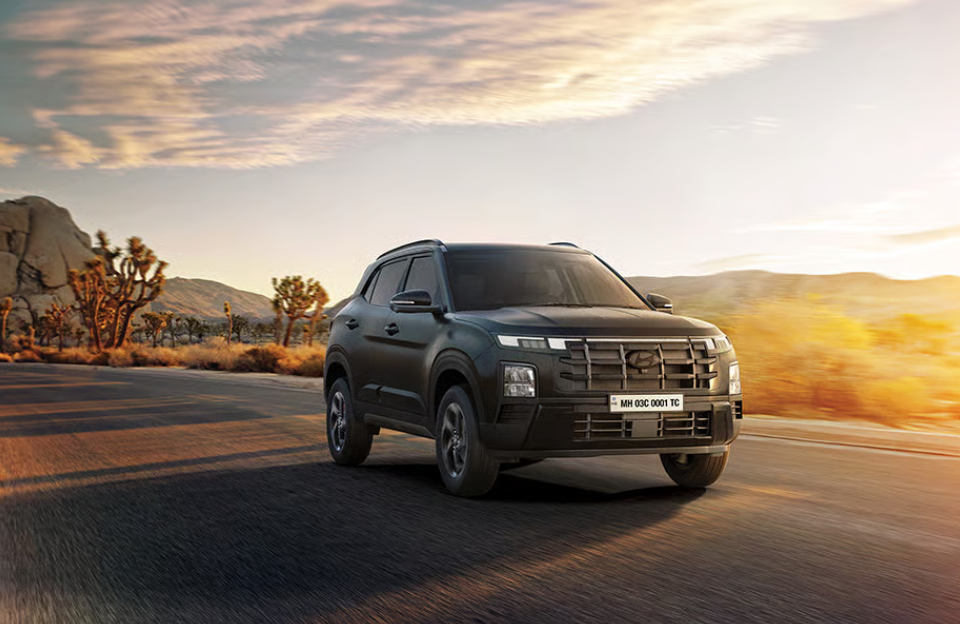
When car buyers in India compare prices, the sticker shock on certain models often comes down to taxation. One such example is the popular Hyundai Creta, a strong seller from Hyundai Motor India. While the Creta remains a favourite in the mid-size SUV segment, certain variants — especially those meeting specific size and engine criteria — fall under India’s highest 40% GST slab.
But what exactly pushes a car into this bracket?
In India, passenger vehicles are taxed based on multiple factors, including length, engine capacity and ground clearance. Vehicles that exceed 4 metres in length and have larger engine capacities — particularly SUVs — attract higher GST rates along with additional compensation cess. When combined, this can take the effective tax rate to around 40% or even higher in some cases.
Mid-size SUVs like the Hyundai Creta often cross the 4-metre mark and are equipped with more powerful petrol or diesel engines. Because of this, they don’t qualify for the lower tax benefits reserved for smaller cars. The same tax logic applies to several other large SUVs and select hybrid models in the market.
For buyers, this means a noticeable jump in on-road prices compared to compact SUVs or hatchbacks. However, customers are often willing to pay the premium in exchange for more space, stronger road presence, higher ground clearance and better features.
Industry experts note that the higher tax structure was originally designed to encourage smaller, fuel-efficient vehicles while positioning larger SUVs as premium offerings. Despite the heavier tax burden, demand for mid-size and large SUVs continues to grow steadily in India.
In short, the 40% GST category isn’t about brand value alone — it’s largely about size, specifications and government tax norms shaping the final price tag.