
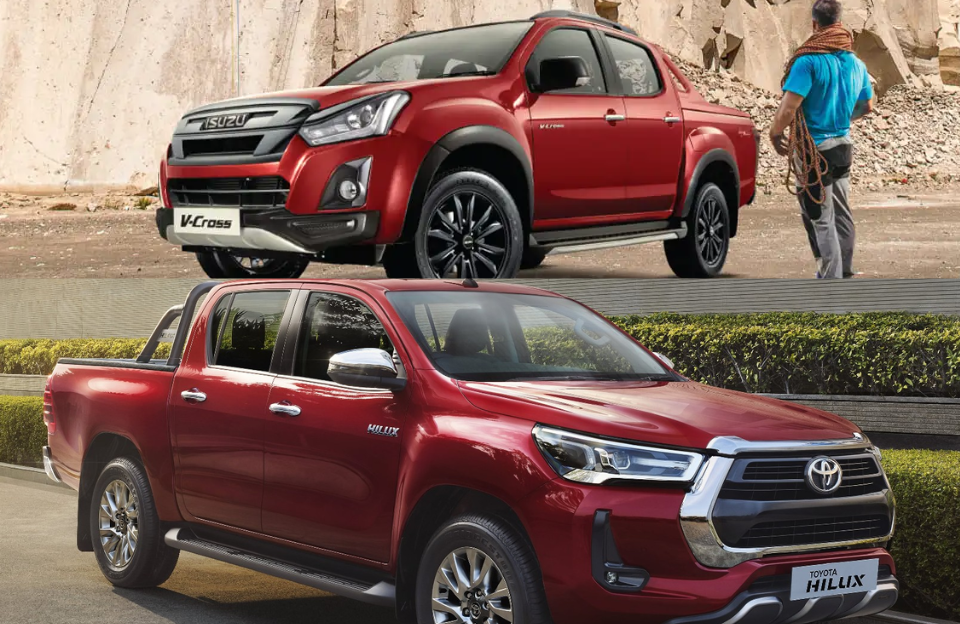
When it comes to rugged pickups in India, the Toyota Hilux and Isuzu D-Max V-Cross are two names that immediately come to mind. Both are built for tough terrains, daily usability, and long-lasting reliability, but if you’re in the market for one, you might be wondering: which one truly deserves a spot in your driveway? Let’s break it down with a detailed feature comparison, along with the pros and cons of each.Toyota Hilux vs Isuzu D-Max V-Cross.
Design and Exterior
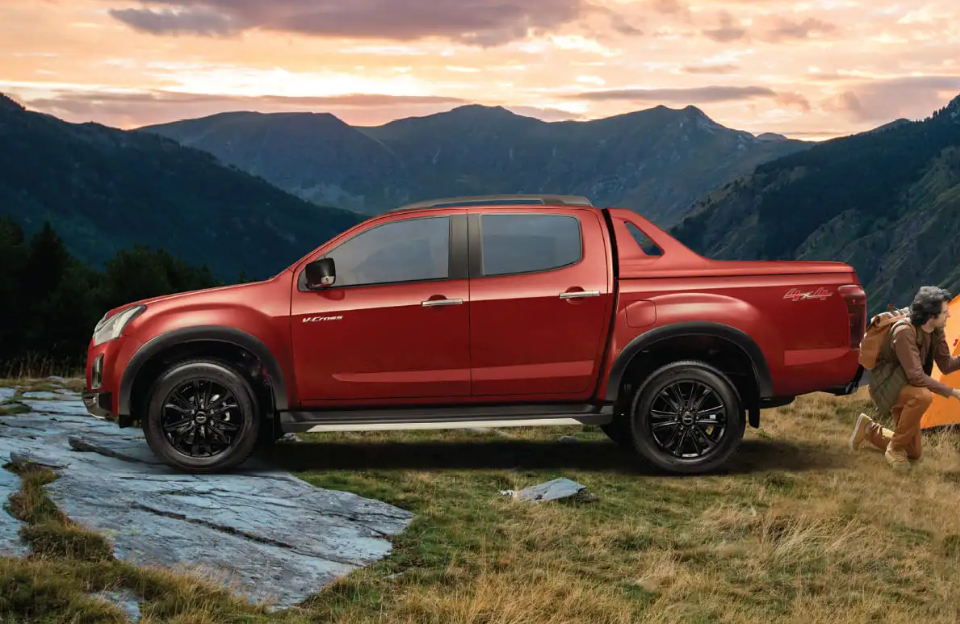
The Toyota Hilux carries a bold and muscular look with sharp lines, a prominent front grille, and a commanding road presence. It has a modern, aggressive appeal that balances ruggedness with style. The Isuzu D-Max V-Cross, on the other hand, takes a slightly more rugged, adventure-ready approach. Its flared wheel arches, high ground clearance, and functional design elements make it feel more like a workhorse built for off-road adventures.
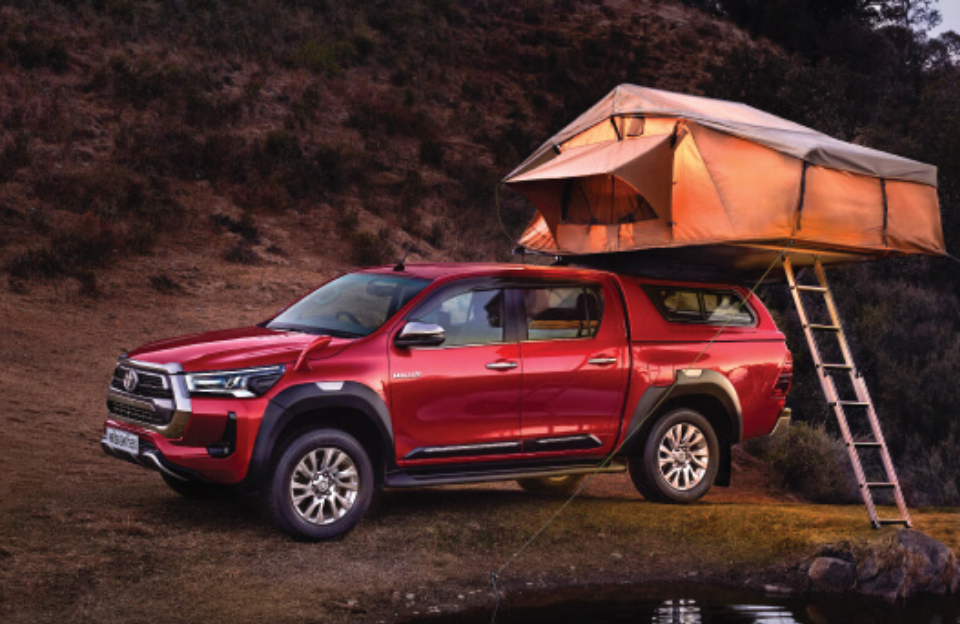
While both pickups are visually striking, the Hilux leans more toward premium styling, whereas the D-Max V-Cross emphasizes practicality and toughness. Both feature LED headlamps, fog lamps, and alloy wheels, giving them a contemporary and aggressive stance.
Toyota Hilux vs Isuzu D-Max V-Cross Interior and Comfort
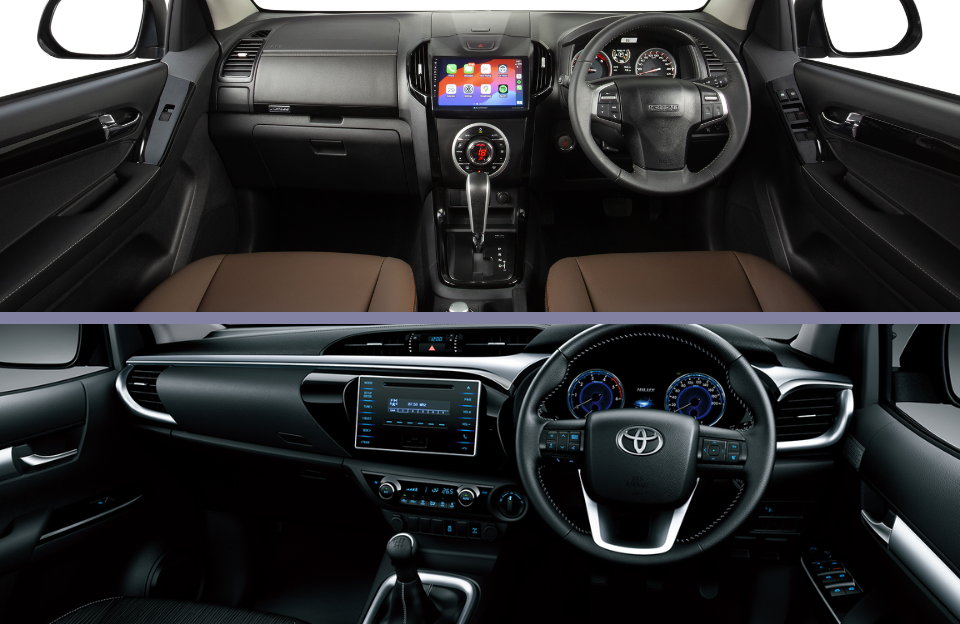
Step inside the cabin, and you’ll notice that both vehicles balance ruggedness with comfort. The Hilux offers a well-laid-out cabin with quality materials, touchscreen infotainment, automatic climate control, and ample storage options. The D-Max V-Cross matches it with a practical, durable interior that is easy to maintain, plus features like a touchscreen system, leather seats in higher trims, and decent cabin space.
In terms of comfort, the Hilux leans slightly toward a more refined experience, while the D-Max V-Cross focuses on functional ergonomics, making it feel solid and ready for long journeys, even with a load on board.
Performance and Engine
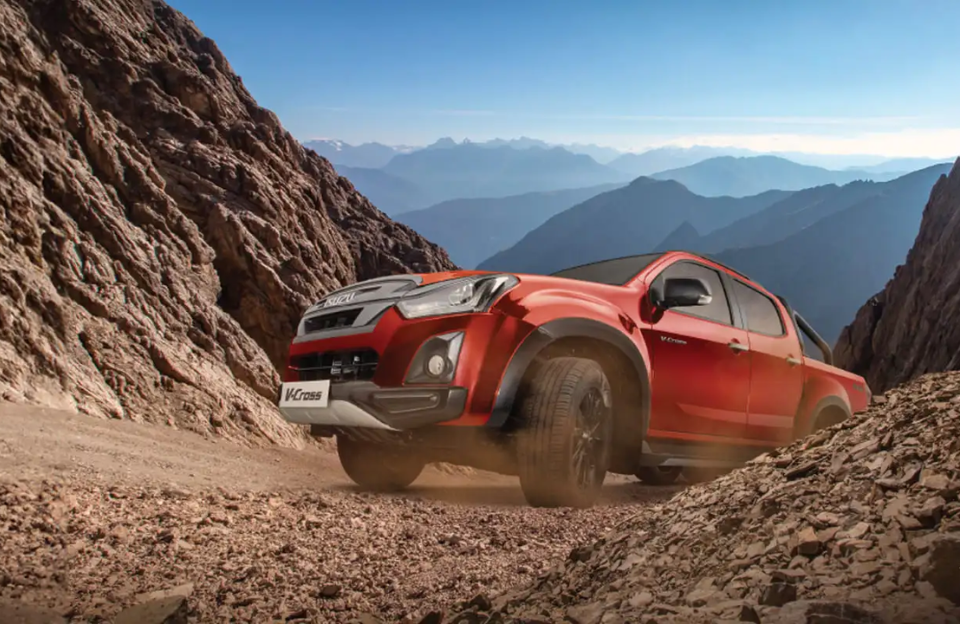
Both pickups come with strong turbo-diesel engines that deliver plenty of torque for off-road and towing duties. The Hilux’s engine is tuned to provide a smoother on-road experience while still tackling rough terrains confidently. The D-Max V-Cross, on the other hand, emphasizes raw power and reliability, often favoring torque over refinement, which is perfect if you spend more time off the beaten path.
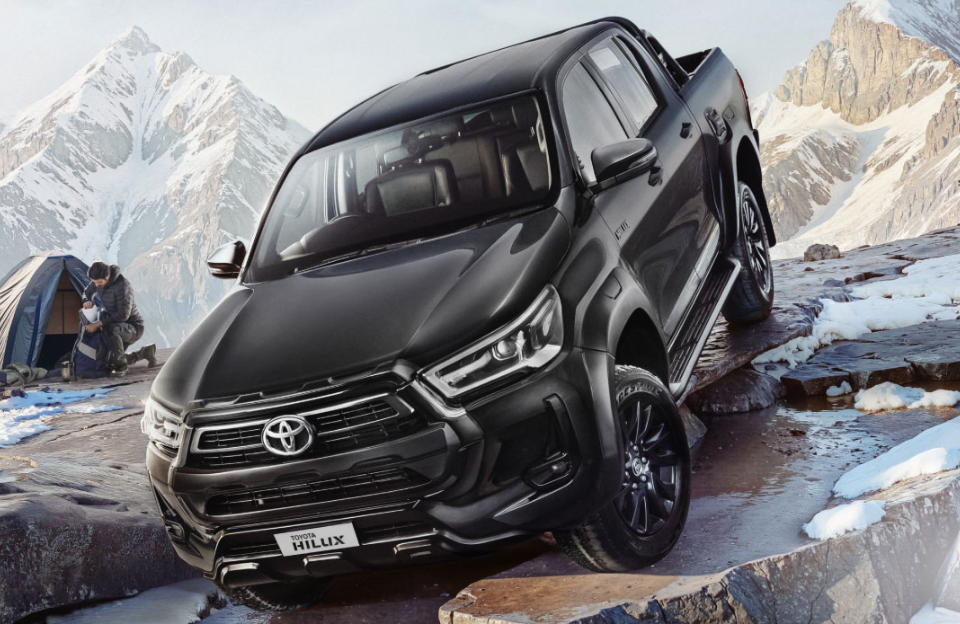
Both pickups feature 4×4 drivetrain options, high ground clearance, and durable suspensions that can handle challenging road conditions, but the Hilux offers a slightly more composed ride in urban environments, whereas the D-Max V-Cross shines in off-road performance.
Toyota Hilux vs Isuzu D-Max V-Cross Safety and Technology
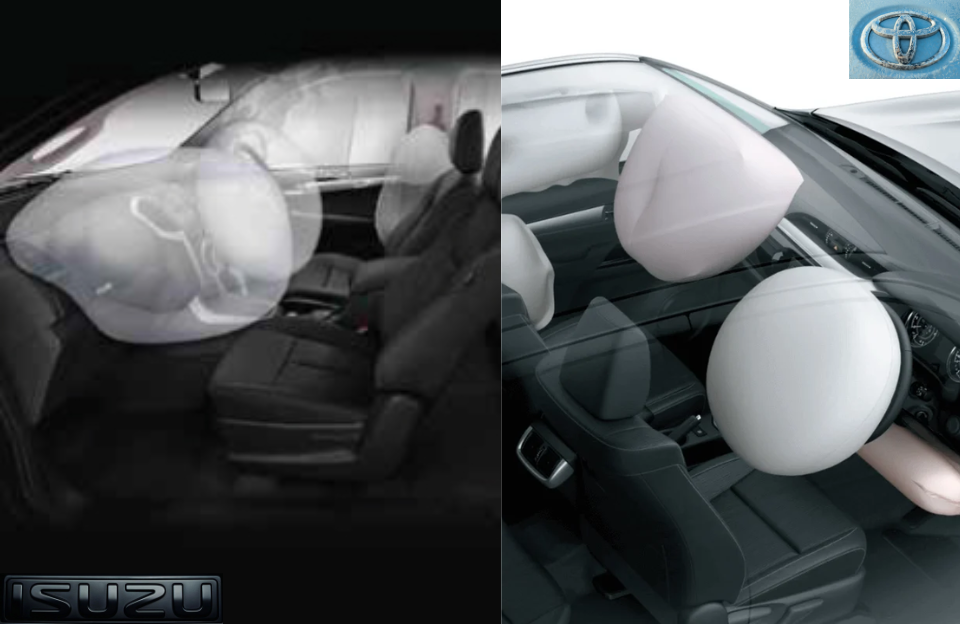
Safety is a strong point for both pickups. The Hilux comes with multiple airbags, stability control, hill-start assist, and other driver-assist technologies in higher trims. The D-Max V-Cross also packs essential safety features, along with rear parking sensors, ABS with EBD, and stability control.
In terms of tech, the Hilux’s infotainment system and additional comfort features may feel a bit more modern, while the D-Max V-Cross keeps it simple, practical, and highly functional.
Price Comparison (India, Ex-Showroom)
| Model | Variants | Price (₹ Lakh) |
|---|---|---|
| Toyota Hilux | 2.4 G MT 4×2 | 28.00 |
| Toyota Hilux | 2.4 G AT 4×2 | 30.00 |
| Toyota Hilux | 2.4 V MT 4×4 | 34.00 |
| Toyota Hilux | 2.4 V AT 4×4 | 36.00 |
| Isuzu D-Max V-Cross | Z Prestige 4×4 MT | 22.50 |
| Isuzu D-Max V-Cross | Z Prestige 4×4 AT | 24.00 |
Note: Prices are approximate and may vary by city and dealer.
Toyota Hilux vs Isuzu D-Max V-Cross Pros and Cons
Toyota Hilux
Pros: Premium styling, refined cabin, balanced on-road and off-road performance, advanced features in higher trims.
Cons: Slightly higher price, parts may be costlier than competitors.
Isuzu D-Max V-Cross
Pros: Rugged design, strong off-road performance, reliable engine, practical and durable interior.
Cons: Cabin less refined, on-road ride not as smooth as Hilux, fewer tech-focused features in base trims.
Verdict
Choosing between the Toyota Hilux and Isuzu D-Max V-Cross ultimately depends on your priorities. If you want a pickup that blends rugged capability with a premium feel, the Hilux is an excellent choice. If your focus is raw off-road ability, durability, and practicality, the D-Max V-Cross might suit you better. Both are reliable workhorses that can tackle Indian roads and adventures with ease, so it really comes down to whether you value refinement or ruggedness more.
Frequently Asked Questions:
The Toyota Hilux starts at approximately ₹28 lakh (ex-showroom) for the base 2.4 G MT 4×2 variant. Prices increase with higher trims and 4×4 options.
The Isuzu D-Max V-Cross is priced between ₹22.50 lakh and ₹24 lakh (ex-showroom), depending on whether you choose the manual or automatic 4×4 variant.
Both pickups are capable off-road, but the Isuzu D-Max V-Cross has a slight edge for rugged terrains due to its torque-focused engine, durable suspension, and adventure-ready design.
The Toyota Hilux offers a slightly more refined and comfortable cabin experience, with better materials and a smoother on-road ride, while the D-Max V-Cross focuses on practical and durable interiors.
Yes, both the Toyota Hilux and Isuzu D-Max V-Cross offer 4×4 drivetrain options for serious off-road capability.
The Toyota Hilux comes with multiple airbags, stability control, hill-start assist, and driver-assist tech in higher trims. The D-Max V-Cross offers ABS with EBD, stability control, and rear parking sensors.
The Toyota Hilux is slightly more comfortable and refined for city driving, while the D-Max V-Cross is rugged and better suited for off-road or heavy-duty usage.
The Hilux, being a premium pickup, may have slightly higher maintenance and spare parts costs compared to the D-Max V-Cross, which is known for durability and lower upkeep.
Fuel efficiency is comparable, but the D-Max V-Cross slightly edges out in long-haul efficiency due to its torque-focused diesel engine and lighter design.
It depends on your priorities. Choose the Hilux if you want refinement, comfort, and a premium feel. Opt for the D-Max V-Cross if rugged off-road capability, durability, and practicality are more important.